
Cheapest Book Sizes to Print (Save on Printing Costs)

estimated reading time: 4 minutes
Choosing the Right Book Size to Lower Printing Costs
If you're planning to have books printed, one of the
smartest ways to control your budget has nothing to do with paper quality, ink,
or even page count. It actually starts with something much simpler:
Your book's finished size.
It may seem like a small detail, but it has a big impact.
The finished dimensions of your book (known in the printing world as trim size)
affect press efficiency, paper usage, and waste - which ultimately shape your
overall printing cost.
In this article, we'll break down the cheapest book sizes to
print, explain why they cost less, and help you choose the right option for
your project.
Why Book Size Affects Printing Cost
Before diving into specific sizes, it helps to understand
what happens behind the scenes.
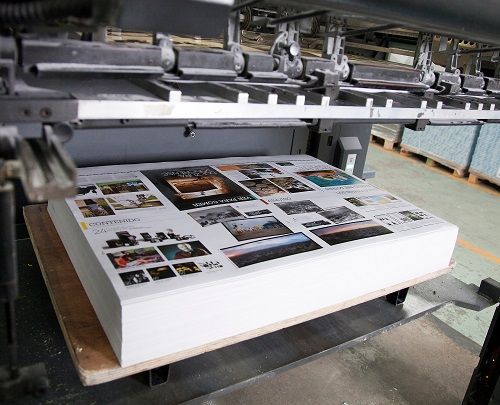
Instead of printing one page at a time, commercial printers typically print multiple pages on large sheets of paper.
The pages are arranged
so that the maximum number can fit on each press sheet. Once these sheets are
printed, the pages are trimmed and bound into finished books.
When a book project has a page size that fits neatly onto
standard press sheet layouts, there is less paper waste. Also, the production
run itself is more efficient because fewer sheets will need to be cycled
through the press.
Conversely, if the book's page size is unable to fit neatly
onto a printer's press sheet, paper waste increases, efficiency deceases, and
the cost goes up. This is why using a standard, press-friendly page size is one
of the easiest ways to save money.
The Cheapest Book Sizes to Print
While sheet sizes and printing equipment can vary from
printer to printer, the following three sizes are widely known for being
cost-effective across most commercial printing setups:
1) 5.5" x 8.5"
The 5.5" x 8.5" page size fits efficiently on
common press sheets, making it one of the most economical sizes for printing. Often
referred to as "Digest Size", it offers a compact format that is very popular
with readers.
Books measuring 5.5" x 8.5" are popular for a wide variety
of projects, including novels, memoirs, educational books, guides, handbooks,
promotional materials, and general nonfiction.
If you're not sure where to start, the 5.5" x 8.5" book size
is often the safest and most budget-friendly choice.
2) 6" x 9"
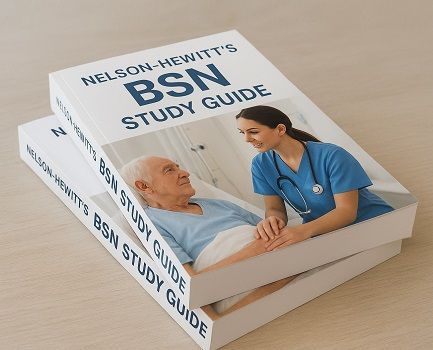
Considered the standard "Trade Size" for printed books, 6" x
9" is one of the most popular book sizes in modern publishing. It is slightly
larger than Digest size but still highly efficient to produce. It offers a good
balance of readability and affordability.
The 6" x 9" size gives books a polished, retail-ready appearance.
It works well for fiction and nonfiction titles and is a popular choice for
self-published works. It is also a good size for cookbooks, business books, textbooks,
training materials, and illustrated books.
3) 8.5" x 11"
The 8.5" x 11" size is the standard US Letter size. As such,
it is very familiar to most people because so many printed documents
revolve around this size.
Being larger than Trade or Digest sizes, fewer pages will
fit on a press sheet. However, the majority of printing and binding equipment in the US can
produce books in this size very economically. It works especially well for
shorter book runs that are produced on digital printing presses.
Being relatively large, 8.5" x 11" books allow for more text
per page, wider margins, and ample room for images. As such, this size is good
for content-heavy books with photos, diagrams, and other visuals such as how-to
guides, technical and reference manuals, workbooks, and study materials. It is
also an ideal size for catalogs, magazines, and product brochures.
Why These Sizes Cost Less
All three of these sizes share a common advantage - they
align well with how printing equipment is designed to run.
Think of it like cutting shapes out of a sheet of plywood.
If the shapes are sized correctly and arranged efficiently, you can fit more of
them on each sheet and minimize the amount of scrap. If not, you end up
throwing material away.
In printing, that "scrap" is wasted paper. The more waste,
the higher the material cost for your project.
So if budget is a priority, choose one of the three standard
book sizes outlined above. That way, you are essentially optimizing the flow of
the printing process instead of working against it, which provides a strong
foundation for cost efficiency.
The Key Takeaway
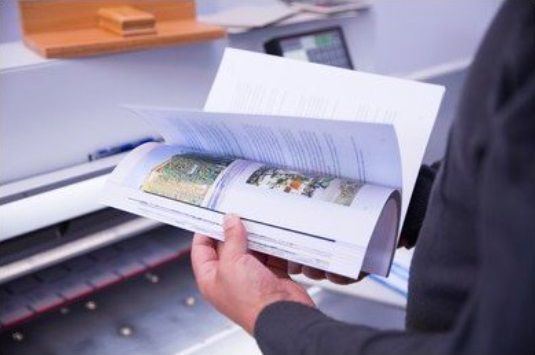
Choosing the right size for your book project is one of the most overlooked ways to control printing costs.
By selecting a proven and
efficient size like 5.5" x 8.5", 6" x 9", or 8.5" x
11", you'll already be on the right track toward a more affordable print
run.
Need Help Choosing the Best Size for Your Book?
Because every book project is a little different, it can be helpful to talk through your specific project with a printing professional. You can always contact Color Vision Printing for expert guidance and recommendations.
Naturally, you want the best value for your book project. A quick review of your specs with us can often uncover simple ways to reduce costs. This is true whether you ultimately choose a standard book size or a totally custom size.
At Color Vision, we provide honest answers without pressure. So feel free to reach out to discuss your project or request a quote. Even if you're still in the early planning stages, getting input upfront can help you make a more informed (and cost-effective) decision.
To receive a quote by email, just use our simple Quote
Request form to send us your specs. Or, if you prefer to discuss your project
by phone, give us a call at 800-543-6299 and we'll be happy to help.
As always, we look forward to hearing from you!

Pete is a printing industry writer and content creator employed by Color Vision Printing. With two decades of printing, design, and marketing experience, he writes about a wide range of print-related topics, including book printing and binding, full-color printing, paper types, and finishing techniques. His articles contain simple, straightforward explanations, helping people to better understand their printing options and make more informed decisions about their projects.
Related Articles
Book Printing: What Is a Dummy?
Read This Article
Book Printing: What Is a Book Block?
Read This Article
9 Tips for Printing User-Friendly Workbooks and Study Guides
Read This Article
Self-Cover vs. Plus Cover: Which Book Cover Should I Choose?
Read This Article