
Book Cover Enhancements for Every Budget
estimated reading time: 6 minutes
There are Effective Cover Enhancements at Every Price Point
When it comes to printing a softcover book, the cover does
more than just protect the interior pages - it also helps shape that
all-important first impression. The more impactful the cover, the more likely
it is to draw attention and convey a high-quality look and feel.
By choosing the right upgrade, you can make your book look
more professional, help it stand out in a crowded space, and strengthen your brand
or message. That's why many authors, publishers, and businesses add
enhancements to the covers of their books.
Despite what you may think, you don't necessarily have to spend a fortune to create a compelling, professional-looking cover. There are effective enhancements at every price point. Some require only a modest upgrade, while others involve a larger upfront investment but deliver unmistakable, premium appeal.
In this article, we'll break down cover enhancements into
two tiers: Cost-Effective Enhancements that deliver strong visual impact with
minimal added expense, and Premium Enhancements that require custom tooling but
can elevate your book to a whole new level.
Cost-Effective Cover Enhancements
These options are ideal for tighter budgets or projects
where you want maximum return without a major investment.
1. Upgrade to a Thicker Cover Stock
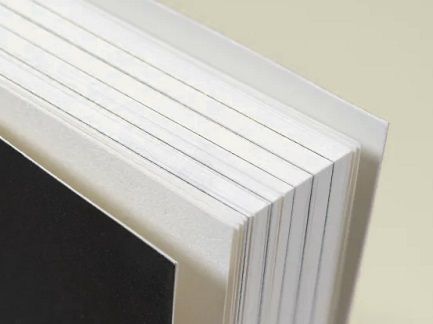
One of the simplest ways to enhance a softcover book is by
upgrading to thicker cardstock for the cover.
A heavier cover stock immediately changes how a book feels
in the reader's hands. It communicates durability, substance, and quality
before a single page is turned.
While 10pt and 12pt are the most common cover thicknesses
for softcover books, upgrading to 14pt or 16pt cardstock will make a noticeable quality difference without breaking the bank.
What are the Benefits of a Thicker Cover?
- Improves the perception of quality
- Adds rigidity and durability
- Creates a more "substantial" feel
From a cost standpoint, this is a very manageable
upgrade. There's no special tooling involved, just a change in the cover
material. This makes it one of the easiest wins in book printing.
2. Apply a Laminate: Gloss, Matte, or Soft Touch
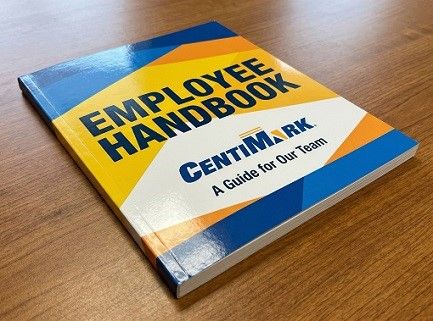
A Laminate is a thin plastic film. When bonded to the cover of a book, laminates enhance the appearance and improve durability. It's one of the most
popular upgrades because it delivers both a visual and a tactile impact at a
relatively low cost.
There are three primary laminate options:
Gloss Lamination
- Shiny and reflective finish
- Makes the underlying ink colors appear more vibrant
- Perfect for photo-heavy or high-contrast designs
Matte Lamination
- Non-reflective, more natural finish
- Softens the ink colors for a sophisticated look
- Ideal for text-heavy or minimalist designs
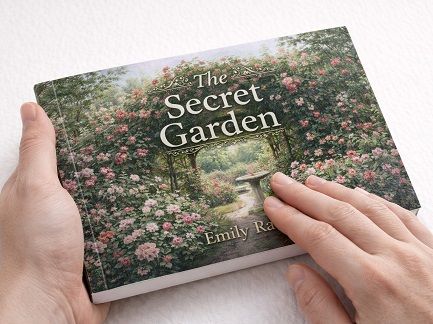
Soft Touch Lamination
- Velvety, almost suede-like feel
- Instantly communicates an intriguing texture
- Often used for high-end books or special editions
What are the Benefits of applying a Laminate?
- Protects against scuffs, stains, and moisture
- Enhances visual appeal
- Adds a tactile element that gets noticed immediately
Commercial laminate films are applied using heat and
pressure. Lamination is a very popular and reasonably priced option for
enhancing the covers of books.
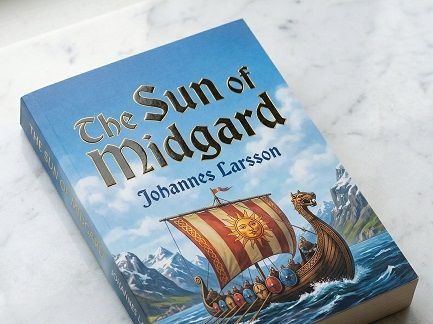
3. Use Spot UV to Highlight Certain Areas
This is where things start to get more visually dynamic. The
Spot UV technique involves applying a high-gloss coating to one or more specific
areas on the cover - such as a title, logo, or other graphic element - to make
it stand out against the surrounding area.
The Spot UV option works well when applied over a matte or
uncoated finish. The contrast of the reflective gloss against the less
reflective surface is what creates the striking effect. Spot UV is also
commonly used over printed text or images to give them a higher sheen than the
surrounding area.
Spot UV can be used in combination with Embossing to further
heighten its effect.
What are the Benefits of using Spot UV?
- Adds contrast in sheen and texture
- Draws attention to key design elements
- Offers durable, scratch-resistant protection to the spot(s) it
covers
This technique does require a separate file to designate where the Spot UV is to be placed, but it does not
require a custom die. That keeps costs relatively low while still delivering a
high-impact appearance.
Premium Cover Enhancements (Custom Die Required)
Now we move into the realm of premium finishing options.
These enhancements require a custom die to create their effect. It important to
note that these dies typically cost several hundred dollars to produce. While
that upfront cost can feel significant, the results are unmistakable - and
often well worth it for the right project.
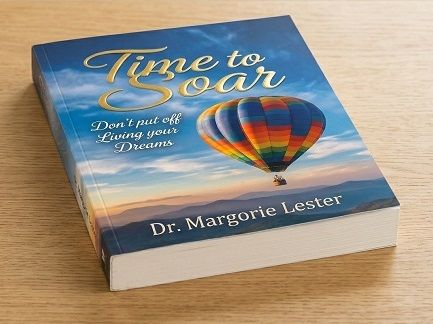
4. Create a 3-Dimensional Effect with Embossing
Embossing creates a raised effect on specific areas of the
cover by pressing the cardstock material between a male die and a female die. Using
pressure to force the dies together, the result is a three-dimensional design
that you can both see and feel.
Embossing works best on thicker cover stocks. It can be used
to raise an area that has been printed or it can be used to raise an unprinted
area on the cover. Titles, author names, logos, and decorative elements are all
good candidates for embossing.
To add additional impact, Embossing can be combined with Spot
UV or Foil Stamping.
What are the Benefits of Embossing?
- Adds texture and depth to chosen areas
- Creates a tactile, interactive experience
- Very impressive, high-end appearance
Embossing is particularly effective when you want your cover
to stand out in a refined and classy way. Embossing by itself doesn't add shine,
it adds distinction using form and texture.
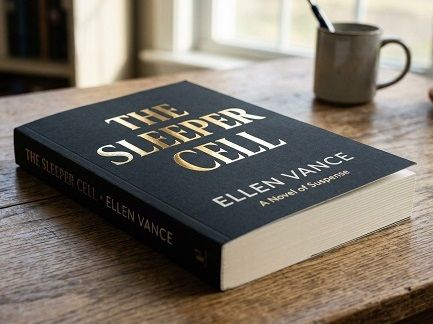
5. Add Metallic Accents with Foil Stamping
Foil stamping uses heat and pressure to apply metallic foil
to the cover surface. Gold, silver, and copper foils are very popular, but
a wide range of colors and finishes are available.
Foil Stamping yields an effect that is bold, reflective, and
instantly attention-grabbing. As such, it is most commonly used for titles, logos,
borders, and key accents. It provides the maximum impact when used on darker,
contrasting backgrounds. Foil Stamping can be combined with Embossing for a
raised metallic effect.
What are the Benefits of Foil Stamping?
- Highly reflective and visually striking
- Communicates luxury and prestige
- Maintains crisp, sharp detail
Foil stamping is one of the most recognizable premium
finishes. It immediately elevates a book's perceived value.
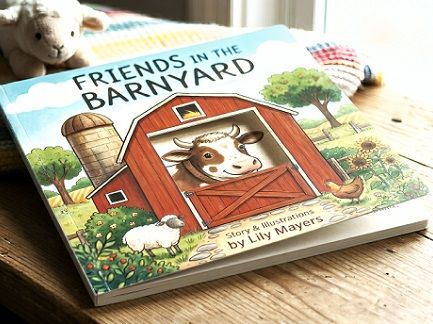
6. Incorporate Die Cut Windows or Shapes
Die cutting involves using a sharp metal die to cut out one
or more sections of the cover. The die can be used to cut custom shapes that
reinforce a brand or theme. Dies can also shape the perimeter, such as rounded
corners, or it can cut windows that reveal text or artwork printed on the first
interior page.
Die cutting works best when integrated into the overall
concept of the book, not added as an afterthought.
What are the Benefits of Die Cutting?
- Adds a unique structural element
- Creates visual intrigue and interaction
- Allows for layered design effects
Die cut book covers are very distinctive. Die cutting not
only alters how the book looks, it also change how the book is physically
experienced.
Final Thoughts
Book cover enhancements aren't just about aesthetics - they're
also about communication. The extra attention to detail sends a strong signal about
the tone and quality of your book.
Whether you're making a modest investment or going all-in on
a premium enhancement, there are effective options at every price level. By
understanding what each enhancement offers, you can create a book cover that
not only looks great, but also connects with your audience.
Color Vision Specializes in Book Printing
Color Vision has specialized in custom book printing for
over four decades. As a full-service printing company, Color Vision has
an extensive finishing and bindery department. In addition to the cover enhancements
outlined above, we also offer a broad range of custom sizes and binding styles.
So if you are looking for creative ways to enhance the appeal
of your book, give us a call at 800-543-6299. We are always happy
to answer questions or discuss any upcoming projects you may have.
If you would like to receive a price quote by email, just
fill out our easy Quote Request form and we will prepare a custom quote
for you.
As always, we hope to hear from you soon and look forward to assisting with your printing and finishing needs!

Pete is a member of the Color Vision team and has nearly 20 years experience in printing, design, and marketing. He writes about a wide range of print-related topics, including book printing and binding, full-color printing, paper types, and finishing techniques. His articles contain simple, straightforward explanations, helping people to better understand their printing options and make more informed decisions about their projects.
Related Articles
Self-Published Books: What is an ISBN number? Do I need one?
Read This Article
What is Comb Binding?
Read This Article
Soft Cover Children’s Books: 5 Options to Enhance Durability
Read This Article
What is the Difference Between Wire-O and Spiral Binding?
Read This Article