
What Is the Best Paper Weight for Corporate Brochures?
estimated reading time: 5 minutes
Why Paper Weight Matters for Corporate Brochures
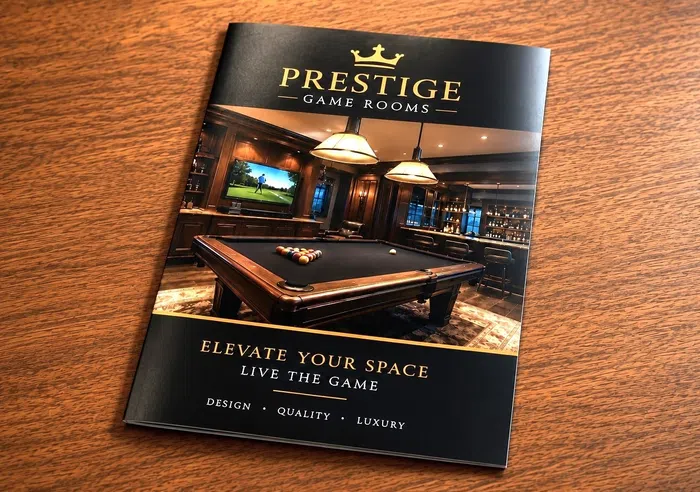
When it comes to printed marketing materials, Brochures have long been one of the most effective ways to promote a business,
product, or service. Most brochures are produced using various folding methods
to create multiple panels, with bi-fold and tri-fold brochures being among the
most popular formats.
By combining eye-catching graphics with detailed
information, brochures provide ample space to communicate your company's message
while presenting a polished and professional image. A well-designed brochure
can build credibility, showcase your company's strengths, and encourage
prospective customers to take the next step.
While compelling copy and attractive visuals play an
important role, the paper you choose can have just as much influence on how
your brochure is perceived. This is why corporate brochures are typically
printed on heavier paper stocks to create a more substantial, high-quality feel
that reflects positively on the organization.
The right paper weight affects far more than first
impressions. It influences durability, foldability, print quality, and the
overall presentation of your brochure. Choosing the appropriate paper stock
helps ensure your marketing materials look professional, hold up well during
handling, and leave a lasting impression. That said, below are several factors
to consider when selecting the best paper weight for your corporate brochures.
Best Paper Weight for Brochures: 100 lb. Text vs. 80 lb. Cover vs. 100 lb. Cover
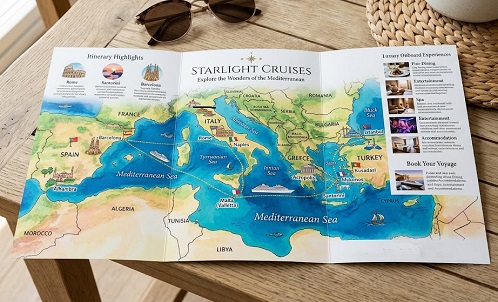
For most corporate brochure printing, three paper weights
stand out above the rest:
- 100 lb. Gloss or Matte Text
- 80 lb. Gloss or Matte Cover
- 100 lb. Gloss or Matte Cover
100 lb. Text is a heavyweight text paper that folds easily
while maintaining a substantial feel. It's one of the most common choices for
tri-fold brochures, product data sheets, and sales literature because it
provides an excellent balance between quality, flexibility, and cost.
80 lb. Cover is noticeably thicker and more rigid. It
creates a premium first impression and is ideal for brochures that need to
withstand frequent handling or be displayed on counters, trade show tables, or
showroom racks. When used for multi-panel brochures, scoring is recommended to
ensure crisp fold lines.
100 lb. Cover is the thickest of the three and offers an
even more substantial, upscale feel. It's an excellent choice for high-end
corporate brochures, luxury product literature, and marketing pieces designed
to make a lasting impression. Like 80 lb. cover, it should be scored before
folding to produce clean, professional folds.
How Thick Should a Corporate Brochure Be?
One of the biggest misconceptions is that thicker paper is
always better.
In reality, the best brochure paper weight depends on how
the brochure will be used.
If your brochures will be handed out at a trade show or during
a sales presentation, a heavier paper stock may help reinforce your company's
image. However, if they're intended for direct mail campaigns, lighter stocks
can reduce postage costs without sacrificing appearance.
For the majority of brochure projects, 100 lb. text paper
offers the best combination of appearance, performance, and value.
Does Heavier Paper Improve Quality?
A heavier brochure certainly feels more substantial in the recipient's hands, but paper weight alone doesn't determine quality.
Print resolution, color accuracy, paper brightness, finish coatings, and overall production quality all contribute to the finished product.
In most cases, a well-designed brochure printed on 100 lb. gloss or matte text will make a stronger impression than an average-looking design printed on heavy cover stock.
So instead of choosing the thickest paper available, select the stock that best matches your marketing goals and budget.
Gloss vs. Matte Brochure Printing
Paper weight is only part of the equation. The paper finish
also plays a major role in the overall appearance of your brochure.
Gloss Coated Paper produces vibrant colors, sharp
photographs, and attention-grabbing graphics.
It's an excellent choice for:
- Product brochures
- Travel brochures
- Real estate brochures
- Retail marketing materials
- Corporate sales brochures with lots of photography
If your brochure relies heavily on colorful images, gloss
paper typically delivers the greatest visual impact.
Matte Coated Paper has a softer, more refined appearance
with minimal glare.
It's often preferred for the following brochure types:
- Professional service firms
- Financial companies
- Healthcare organizations
- Educational institutions
- Business-to-business marketing
Many companies choose a matte finish because it offers a
sophisticated, understated look while remaining easy to read under bright
lighting.
Choosing the Best Paper for Your Corporate Brochure
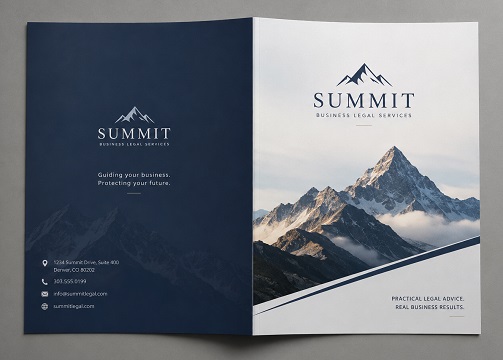
As you have likely surmised, there isn't a single paper weight that's ideal for every brochure.
Instead, the right choice depends on balancing several important considerations, such as your budget, the expectations of your target audience, how the brochure will be used, and the method of distribution.
By weighing these factors together, you can select a paper stock that delivers
both the appearance and performance your marketing materials require.
As a general guideline:
- 100 lb. text is a solid choice for the majority of folded brochures
- Move up to 80 lb. cover when you want a thicker, more premium feel
- Reserve 100 lb. cover for high-end marketing pieces where durability and presentation are top priorities
- Select gloss paper for vibrant photography and bold graphics
- Select matte paper for a clean, professional, and sophisticated appearance
- Consider having a laminate applied when long-term durability is important
Need Help Choosing the Right Paper for Your Brochure
Project?
If you're planning a brochure printing project and aren't
sure which paper stock is right for your particular application, be sure to get
in touch with Color Vision.
As a commercial printer with over four decades of high-quality production
experience, we can recommend the ideal combination of paper weight, finish,
folding style, and coating to help your brochures make a lasting impression.
Just give us a call at 800-543-6299 and we'll be happy to
help. Or, if you already know your project's specifications and are looking for
a price quote, complete our easy Quote Request form and we will send you a custom
quote by email.
As always we look forward to assisting with your custom printing needs!

Pete is a member of the Color Vision team and has nearly 20 years experience in printing, design, and marketing. He writes about a wide range of print-related topics, including book printing and binding, full-color printing, paper types, and finishing techniques. His articles contain simple, straightforward explanations, helping people to better understand their printing options and make more informed decisions about their projects.
Related Articles
What Is the Best Paper Weight for Corporate Brochures?
Read This Article
Booklet Catalogs: Why is this Catalog Format so Popular?
Read This Article
Custom Printed Notepads: Easy and Affordable Marketing Tools
Read This Article
7 Key Advantages Print Marketing has over Digital Marketing
Read This Article