
Matte vs Gloss Lamination: Which Is Best for Book Covers?
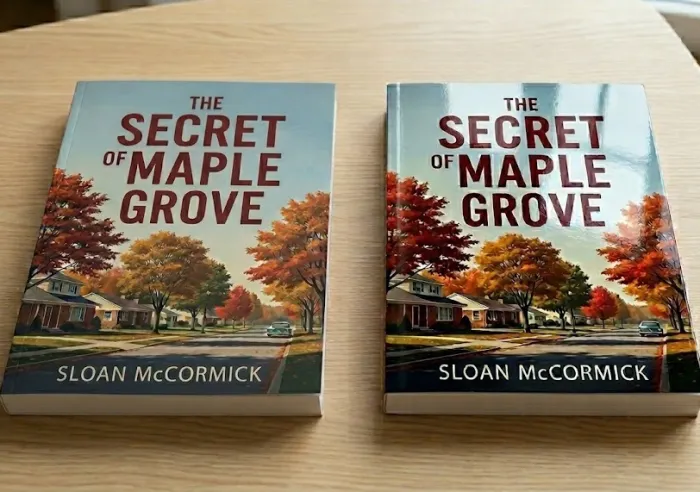
estimated reading time: 5 minutes
Choosing the Best Lamination Option for your Book Project
When it comes to creating professional-looking books,
choosing the right finish for the cover can make a major difference in both
appearance and durability. That said, one of the most common decisions in book
printing is whether to use Matte or Gloss lamination on the cover.
Though both finishes provide a durable layer of protection
against wear and tear, they create very different visual and tactile
experiences. Gloss lamination is known for its reflective finish and vibrant
color enhancement, while matte lamination has minimal sheen and a more subdued
appearance.
So which option is best for your project?
Over the
years, Color Vision has laminated thousands of book covers. Our experience
shows a near-even split between clients that choose a gloss laminate and those that
opt for matte.
Hence, choosing
the right option for your project really depends on the type of book you're
printing, the visual style you want to achieve, and the environment where the
book will be used - which affects everything from glare and fingerprints to how
often the cover needs to be wiped clean.
In this article, we'll explain the differences
between matte and gloss lamination, compare their advantages, and help you
determine which one is the better choice for your book project.
What Is Matte Lamination?
Matte lamination gives book covers a velvety, non-reflective
finish. Because the surface diffuses light rather than reflecting it, matte
finishes have minimal glare and are easier to view under bright lighting
conditions.
In addition, matte lamination typically feels softer to the
touch and makes ink colors appear more subdued. This makes it is a popular choice for
books that aim for a more modern and upscale appearance.
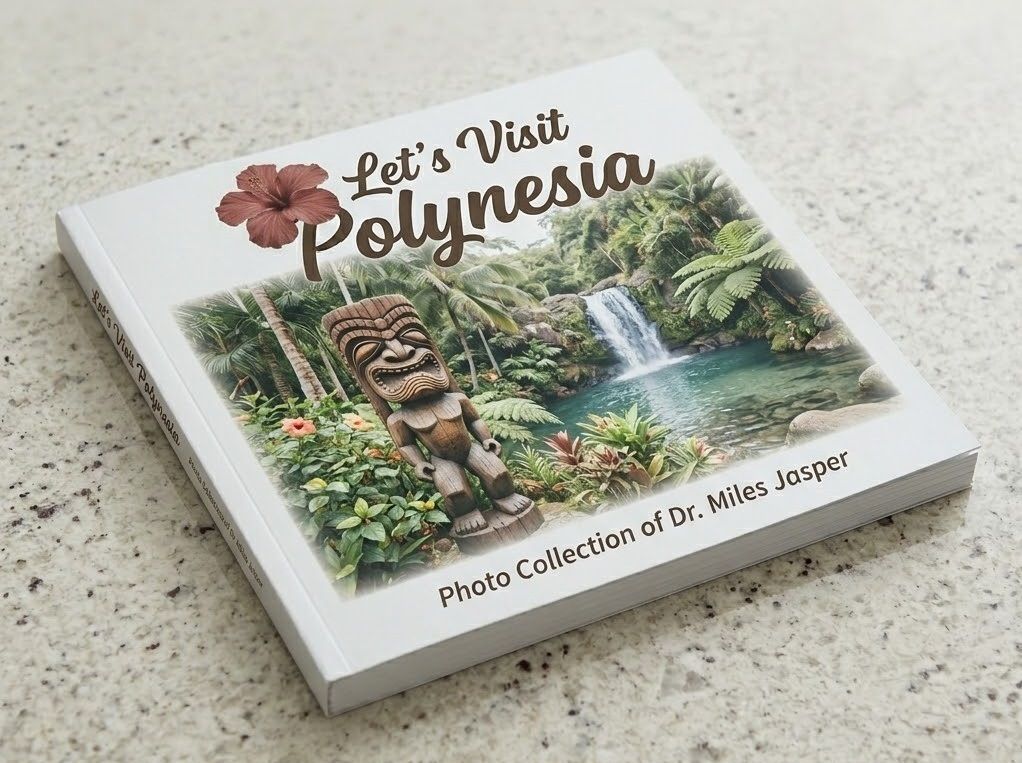
Matte lamination is commonly used on the covers of:
- Novels
- Poetry Books
- Art Books
- Self-Help Books
- High-End Catalogs
- Corporate Publications
- Photography Books
- Premium Product Guides
Benefits of Matte Lamination
Elegant, Premium Appearance
Matte book covers often feel more modern and sophisticated
than glossy covers. As such, many designers and publishers associate a matte
finish with a more refined look.
Reduced Glare
Because a matte finish does not reflect light heavily, it
improves readability and visibility under bright lighting.
Softer Texture
Matte finishes provide a smooth, velvety texture that makes
a book feel pleasant when held. This tactile quality can improve the perceived
value of printed books.
Better for Minimalist Designs
Simple cover designs with subtle typography and muted color
palettes often benefit from matte lamination because the finish complements
understated artwork.
A closer look at how a matte laminate subdues the underlying ink colors:
Matte laminate films are manufactured with a microscopically rough or textured surface. Instead of letting light bounce cleanly off the sheet in a straight line, the surface texture acts like a diffuser, scattering incoming light in every direction.
Because white room light is constantly scattering off the surface and directly into your eyes, it mixes with the colored light bouncing back from the printed ink. This stray white light essentially dilutes the color signal, turning deep blacks into softer charcoals and tempering bright hues into calmer, pastel-like tones. The overall result is a glare-free finish with a subtle, understated look.
Does Matte Laminate Show Fingerprints?
On book covers with large areas of dark color,
matte laminates are prone to showing fingerprints. Natural skin oils fill in
the microscopic texture of the laminate, causing light to bounce off those
spots and stand out against the surrounding glare-free surface. So if your
cover design features heavy blacks or other dark tones, a gloss laminate might
be a better choice.
What Is Gloss Lamination?
Gloss lamination creates a shiny, reflective surface that
enhances color vibrancy and contrast. It is a popular choice for book projects designed to capture attention.
Gloss finishes tend to make colors appear brighter and more
saturated, especially bold graphics and photography.
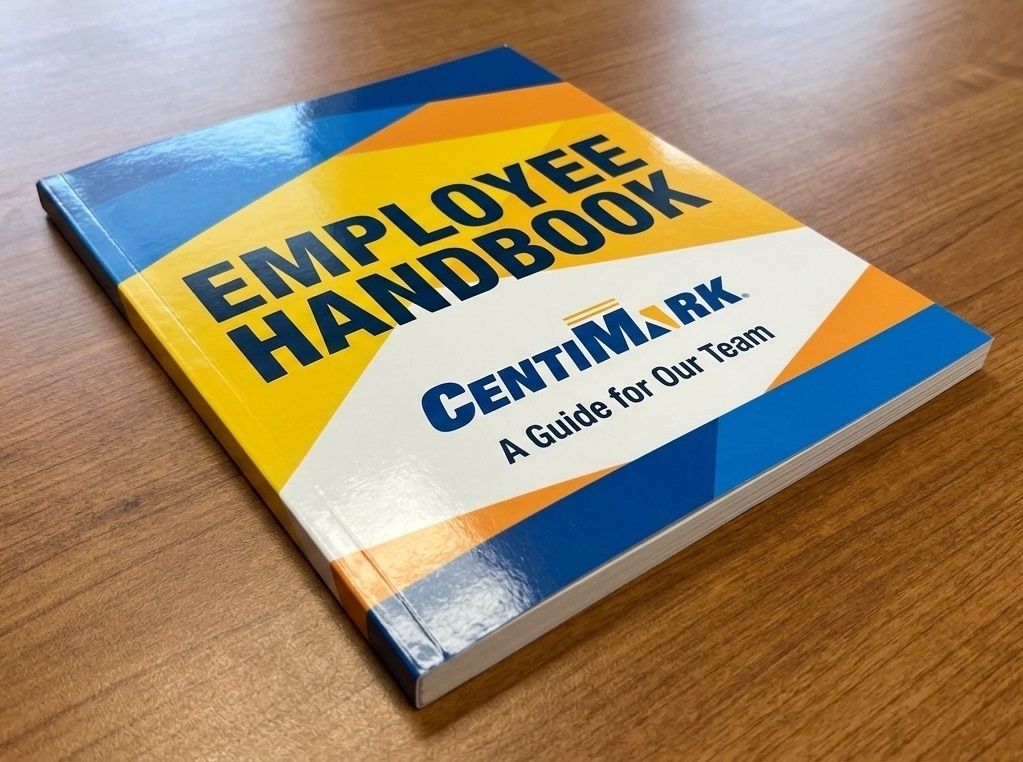
Gloss lamination is commonly used on the covers of:
- Comic Books
- Children's Books
- Cookbooks
- Marketing Materials
- Educational Workbooks
- Handbooks and Field Guides
- Product Catalogs
- Frequently Handled Books
Benefits of Gloss Lamination
More Vibrant Colors
Gloss lamination enhances ink colors, making them appear
brighter and more vivid. This is especially beneficial for covers with rich
photography or colorful illustrations.
Strong Visual Impact
The reflective sheen of gloss lamination naturally attracts
attention, making it especially useful for books intended to stand out on
retail shelves.
Easier to Clean
Gloss laminates are easier to wipe clean because the slick surface
finish resists dirt and moisture well.
Excellent for Intense Graphics
Projects with heavy ink coverage, bright artwork, or
colorful illustrations often benefit from the enhanced visual punch provided by
gloss lamination.
A closer look at how a gloss laminate intensifies the underlying ink colors:
Gloss laminate films are manufactured with a smooth, glass-like finish. When light strikes this slick surface, it bounces off at a uniform angle like a mirror rather than scattering randomly. Because there is no scattered white light washing over the surface like there is with a Matte laminate, your eyes receive the full, undisturbed intensity of the printed ink. Dark areas look deeper and darker, while bright colors appear more intense with high contrast, maximum saturation, and crisp clarity.
Does Gloss Laminate Show Fingerprints?
While gloss laminates can pick up faint smudges,
they are far less noticeable than on matte finishes. On light-colored covers,
fingerprints are practically invisible, and even on dark, vibrant tones, skin
oils cannot disrupt the slick texture or create the high-contrast spots seen on
matte laminates. Any visible marks wipe away effortlessly with a soft cloth,
making gloss ideal for frequently handled books regardless of color design.
Matte vs Gloss - A Summary of the Key Differences:
| MATTE LAMINATION | GLOSS LAMINATION | |
|---|---|---|
| Surface Finish | Soft, non-reflective, anti-glare | Shiny, reflective |
| Color Expression | Muted, elegant, subdued | Bright, high-contrast, vivid |
| Fingerprint Visibility | Low on light designs, high on dark solid inks | Far less noticeable (and easy to wipe clean) |
| Texture | Smooth and velvety | Slick and glass-like |
| Perceived Style | High-end and modern | Bold and energetic |
| Visual Impact | Subtle elegance | Strong visual "pop" |
A Quick Word About Laminate Thicknesses
Color Vision stocks laminate film in thicknesses of 1.5 mil, 3 mil, 5 mil, and 10 mil. For perfect bound or saddle-stitched books, 1.5 mil is our go-to laminate because it is pliable enough to flex with the cover as it is shaped over the spine. For books made with wire-o or spiral coil binding, we can use whichever laminate thickness you prefer because the covers of these books remain as flat sheets.
We're Always Here to Help!
If you need help deciding which type of laminate to use, Color
Vision will be happy to guide you to the perfect finish for your book project. Best of all, our laminate prices are among the lowest in the industry.
To get a price quote tailored to your project's exact needs,
please submit your details through our Quote Request form. Or, give us a call
at 800-543-6299 to discuss your project with a helpful expert.
We look forward to bringing your book project to life and hope to hear from you soon!

Pete is a member of the Color Vision team and has nearly 20 years experience in printing, design, and marketing. He writes about a wide range of print-related topics, including book printing and binding, full-color printing, paper types, and finishing techniques. His articles contain simple, straightforward explanations, helping people to better understand their printing options and make more informed decisions about their projects.
Related Articles
Matte vs Gloss Lamination: Which Is Best for Book Covers?
Read This Article
Buying Laminated Printing? Here Are 7 Things to Keep in Mind
Read This Article
Laminated Printing Services: 8 Frequently Asked Questions
Read This Article
Printing and Laminating: What Thickness of Laminate is Best?
Read This Article
- 1
- 2