
Why Color Printing Costs More than Printing in Black Ink
estimated reading time: 6 minutes
Full Color Printing vs. Black Ink Only: What Affects the Price?
Anyone shopping for commercial printing services will find
that full color printing has a higher cost than printing in black ink.
At first glance, it may seem like a simple upgrade, but full color printing
actually requires significantly more ink, greater precision, and additional
production steps than black-only printing.
Below are some of the main reasons why full color printing
costs more than printing in black ink.
Ink Colors: Four vs. One
The most obvious difference between full color printing and black
printing is the ink itself.
While only a single ink color is used to print standard
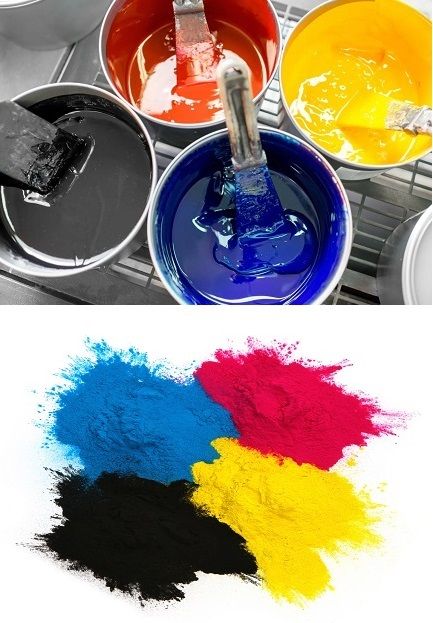
black, full color printing uses four ink colors: Cyan, Magenta, Yellow, and
Black. Known collectively as CMYK, these four inks are applied to the paper in
successive layers. Offset printing presses apply the four CMYK inks in liquid form, whereas most Digital printing presses apply the CMYK colors electrostatically as a dry powder and then use heat to fuse the powder to the paper.
Because full color printing uses four ink colors instead of
one, the press must be carefully monitored to ensure the four inks remain in
precise alignment with each other throughout the entire production run. Even
the slightest shift in registration can affect image quality, making accurate
setup and ongoing press adjustments extremely important during the printing
process. Press operators continually check color consistency, alignment, and
ink balance to maintain high-quality results from the first sheet to the last.
The precise placement of each ink color allows the Cyan, Magenta, Yellow, and Black inks to blend together properly, creating the wide
range of tones and detail required for full-color printing. When all four
colors are accurately aligned, photographs, graphics, and illustrations appear
sharp, vibrant, and true to the original artwork. This level of precision is
what gives professionally printed full-color pieces their smooth color
transitions and crisp details.
In contrast, black-only printing uses just a single ink
color, which makes the process far less complex than full-color CMYK printing.
Because there is only one ink to apply, there is no need to maintain precise
alignment between multiple ink colors throughout the press run. This reduces setup
time, simplifies press adjustments, and lowers overall production costs.
Ink Coverage: More Ink, More Cost
Another major factor that affects printing costs is the
amount of ink coverage used on each printed sheet. Ink coverage refers to how
much of the paper surface is actually covered with ink during the printing
process. The greater the coverage, the more ink is required to produce the job.
For example,
a
page that prints solely in black ink needs a white background to provide
contrast for the black. Since portions of the sheet must remain unprinted, the
overall ink coverage is generally low. Hence, this type of printing is more
economical because less ink is consumed throughout the
production run.
By comparison, a sheet that contains full-color photographs
or solid areas of color requires substantially more ink. As mentioned above, full-color
printing layers the four CMYK inks of Cyan, Magenta, Yellow, and Black to
create the final image. This means heavy coverage areas can use a significant
amount of all four inks at the same time. The more ink that must be applied to
the sheet, the higher the material cost becomes.

High ink coverage can also increase production demands
beyond the cost of the ink itself. Sheets with large amounts of ink often
require additional monitoring during the press run to maintain consistent color
quality from beginning to end. In some cases, heavier coverage can also affect
drying times and production efficiency, especially on long print runs.
This is one of the main reasons why two print projects of
the exact same size and page count can have very different prices. A simple
black-text booklet may require only minimal ink coverage, while a full-color
catalog with photos and rich background colors may consume many times more ink
during production.
Simply put, full color printing requires more ink, more
press resources, and more production attention than black-only printing. As ink
coverage increases, printing costs increase as well.
Ink and Paper Interaction
Paper plays a much bigger role in printing than many people
realize. The type of paper selected for a project directly affects print
quality, color appearance, and the overall production cost. Because of this, paper
choice is an important part of the printing process.
Most standard papers perform well when printing documents in
black ink. Traditional Offset papers, for example, perform very well for
text-heavy documents such as manuals, novels, workbooks, and other publications
that consist primarily of black type on white paper. Since black-only printing
is relatively straightforward, the paper does not usually need special coatings
or enhanced surface characteristics to achieve good results.
Full color printing is different because the paper surface
has a much greater influence on how the inks will appear after they are
printed. Full color images rely on the interaction between the four CMYK inks
and the paper itself to produce accurate tones, vibrant colors, and sharp
details. Different paper types absorb and reflect ink differently, which can
noticeably change the final appearance of the printed piece.

For example, gloss coated papers are the best choice when
bright, vivid colors are desired. The slick surface helps inks sit closer to
the top of the sheet rather than soaking deeply into the paper fibers. This
allows photographs and graphics to appear more vibrant and visually striking.
As a result, gloss coated stocks are a popular choice for catalogs, magazines, comic
books, marketing materials, and other image-heavy projects.
On the other hand, matte coated papers and uncoated stocks
create a softer and more subdued appearance. Matte coated papers reduce glare
while still offering good image reproduction. Rather than providing the maximum
sheen and vibrancy of a gloss stock, these papers provide a more refined and
softer visual appearance. Uncoated papers absorb more ink into the sheet, which
can mute colors and create a more natural, understated look.
Because paper has such a strong impact on color
reproduction, achieving the desired visual result often requires a higher-grade
or more specialized paper stock. Coated papers and specialty stocks used for
many full color projects generally cost more than standard Offset papers used
for printing with black ink. In many cases, the additional paper expense is
necessary to ensure the finished product delivers the color quality, image
detail, and professional appearance print customers expect.
To Summarize…
Full color printing costs more than printing in standard black
ink because it requires:
- More ink colors - four versus one
- More complex setup - especially when printing on an offset press
- More precision - to keep the ink colors in register
- More coverage - images generally consume more area on a sheet
- More reliance on coated paper stocks - such as gloss or matte
The more you know about these contributing factors, the more
the price difference makes sense.
Get a Clear Answer for Your Specific Project
While understanding the factors behind printing costs is
helpful, the only way to know exactly how much your specific project will cost is
to get an actual price quote. Color Vision is always happy to review your
projects and provide straightforward pricing based on your specifications.
Simply use our easy Quote Request form to send us the specs
of your project and we will be happy to send a quote to you via email. Or, if
you prefer to discuss your project by phone, just give us a call at 800-543-6299.
If you're still in the planning stage, that's perfectly fine
too. We're always available to answer questions, explain options, and help you
make informed decisions before you commit to printing.
So, whether you're ready for a quote or just looking for
guidance, don't hesitate to reach out.

Pete is a member of the Color Vision team and has nearly 20 years experience in printing, design, and marketing. He writes about a wide range of print-related topics, including book printing and binding, full-color printing, paper types, and finishing techniques. His articles contain simple, straightforward explanations, helping people to better understand their printing options and make more informed decisions about their projects.
Related Articles
Which Process is Better? Digital Printing vs Offset Printing
Read This Article

What are Buckslips? The Cheapest Form of Print Marketing!
Read This Article

5 Frequently Asked Questions about 4-Color Process Printing
Read This Article
Custom Printed Table Tents: Simple yet Effective Marketing
Read This Article