
Printing Paper: Text Weight vs Cover Weight Explained
estimated ready time: 5 minutes
Choose the Right Paper Stock for Your Print Project
Understanding the difference between Text Weight and Cover
Weight is essential when selecting paper for print projects, yet it remains one
of the most misunderstood concepts in commercial printing.
This article breaks down the differences in clear,
easy-to-understand language, helping you confidently select the right paper for
books, brochures, marketing materials, and more.
Why Paper Weight Matters in Printing
Paper selection affects far more than just appearance. The
stock you choose directly impacts:
- Perceived quality and professionalism
- Durability during handling, shipping, and use
- Folding and binding performance
- Mailing costs and total project weight
- Overall production cost
In many cases, the choice of paper can have as much impact
on a project's overall presentation as the design itself.
What Is Text Weight Paper?
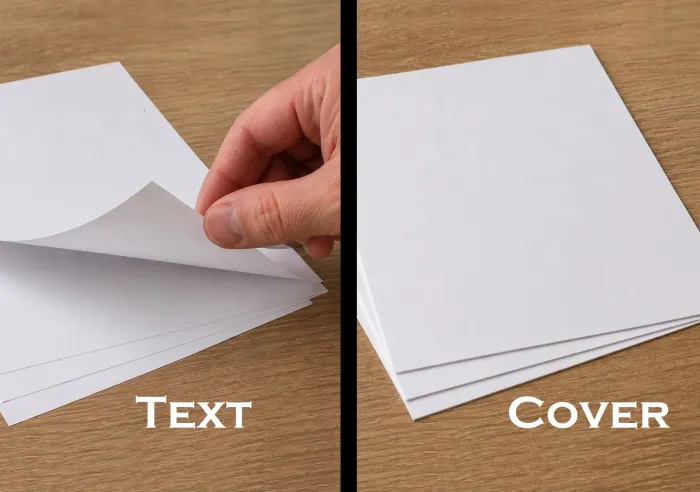
Text Weight refers to a class of paper that is lightweight and
flexible. Its lighter construction makes it an ideal choice for multi-page bound
documents or projects that require folding.
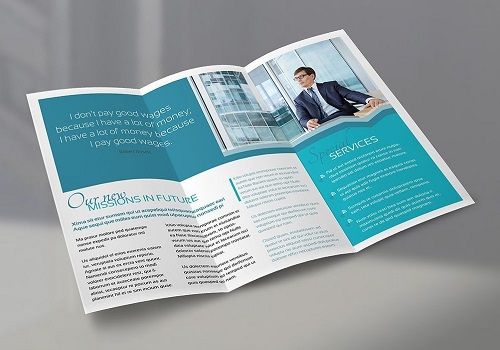
Available as a coated or uncoated stock, text weight paper
is considered the industry standard for the interior pages of books and booklets. It is also a popular choice for brochures,
catalogs, flyers, comics, magazines, newsletters, and letterhead.
In the US, paper is commonly identified by its basis weight
in pounds. This is determined by the weight of 500 sheets (one ream) in the
paper's parent sheet size. Parent sheets are large sheets of paper that come straight
from the paper mill. Each category of paper has a fixed parent sheet size,
which represents the basic size from which the weight of paper is figured.
The basic size varies depending on the paper category, but
the basis weight of any given paper stock is always based on 500 sheets of the
paper in its basic size. In the case of text weight paper, the basic sheet size
(parent sheet) is 25" x 38". So if 500 sheets in this size weigh 60 pounds, the
stock is labeled as 60# (or 60lb). Likewise, if 500 sheets in this size weigh
100 pounds, the stock is labeled as 100# (or 100 lb). When comparing text
weight stocks, the higher the number, the thicker the sheet.

Common Text Weights used in Commercial Printing include:
- 50# (very light)
- 60# (light)
- 70# (light-medium)
- 80# (medium-heavy)
- 100# (heavy)
What Is Cover Weight Paper?
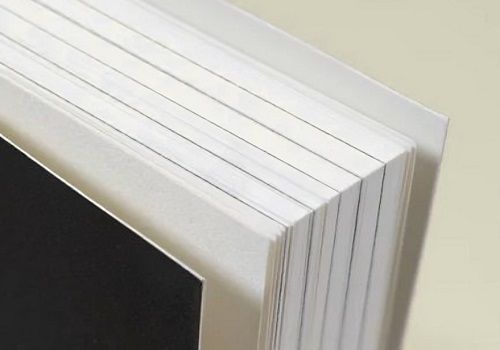
Cover Weight paper is significantly thicker than text
weight. It is designed for durability and structural strength, making it ideal
for book covers and premium marketing pieces.
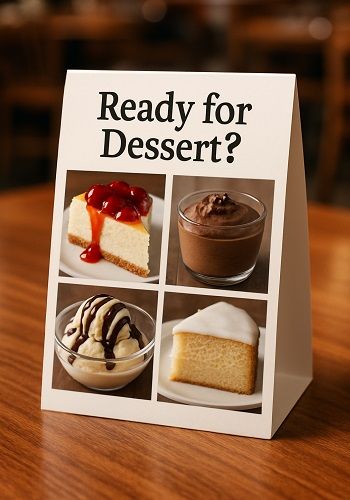
Heavier cover weights, often referred to as cardstocks, are the
perfect choice for printed items that require added rigidity, such as
postcards, table tents, business cards, and presentation folders.
Just like text weight paper, cover weight paper is available
as a coated or uncoated stock.
Some lighter cover stocks are described using their weight
in pounds while heavier cover stocks are described using the measured thickness
(caliper) of the paper.
As mentioned earlier, when a paper is denoted by its weight in pounds (# or
lb) this is determined by the weight of 500 sheets in the paper's basic sheet
size. The basic sheet size (also known as the parent sheet size) of cover paper
is 20" x 26". So if 500 sheets in this size weigh 80 pounds, the stock is
labeled as 80# (or 80lb). Likewise, if 500 sheets in this size weigh 100
pounds, the stock is labeled as 100# (or 100 lb). When comparing cover weight
stocks, the higher the number, the thicker the sheet.
For heavier cover stocks that are described using the
measured thickness of the paper, the thickness will be shown as "points"
(pt), where one point equals 1/1000ths of an inch or .001".
For example, 10pt cardstock equates to a thickness of
.010". Likewise, a 12pt stock is .012" thick, a 14pt stock is
.014", and a 16pt stock is .016".
Common Cover Weights used in Commercial Printing include:
- 80# (light cover)
- 100# (medium cover)
- 10pt (light cardstock)
- 12pt (medium cardstock)
- 14pt (heavy cardstock)
- 16pt (extra heavy cardstock)
One thing worth pointing out is that Text weights and Cover
weights are not directly comparable on a 1:1 basis. For example, 80# and 100# Cover
papers are significantly thicker and stiffer than 80# and 100# Text papers even
though they are denoted with the same weight values. Though the weight numbers may
match, the physical properties do not.
Cover papers weigh more per sheet because the basic sheet
size for this category is only 20" x 26", compared to the 25" x 38" basic sheet
size for text papers. Since the weight of a paper is based on 500 sheets in its
basic sheet size, a smaller parent sheet will naturally result in a thicker
stock if the overall weight of 500 sheets is the same. If you find this
confusing, here's a more detailed explanation of paper weights: Paper Weights Explained:
The Meaning of Paper Basis Weight
When to Use Text Weight vs Cover Weight
Choose Text Weight When:
- You want less bulk for your multi-page document
- You prefer pages that are easier to turn
- The project involves folding and mailing
- A lower cost point is a top priority
- You need a lighter, more flexible piece
Choose Cover Weight When:
- Durability is important
- The piece must stand upright or hold its shape
- You're creating book covers or single-sheet marketing pieces
- The project would benefit from a stock with greater opacity
-
You want a premium, high-impact feel
Color Vision is here to help!
Color Vision has been producing high-quality printing at
affordable rates for over 40 years. So if you need help figuring out the best
paper to use for a particular print project, get in touch with us and we
will be happy to help.
Just give us a call at 800-543-6299 to discuss
your custom printing needs. Or, if you are looking to get a price quote, use our simple Quote
Request form to send us your specifications and we will email a quote
to you.
Whatever your printing needs may be, we look forward to assisting you!

Pete is a member of the Color Vision team and has nearly 20 years experience in printing, design, and marketing. He writes about a wide range of print-related topics, including book printing and binding, full-color printing, paper types, and finishing techniques. His articles contain simple, straightforward explanations, helping people to better understand their printing options and make more informed decisions about their projects.
Related Articles
What is Offset Printing?
Read This Article
Printing Proofs: Soft Proofs vs Hard Proofs
Read This Article
Printing Terminology: Embossing vs Debossing
Read This Article

Printing Terminology: Recto and Verso
Read This Article