
What Does It Cost to Print a Book? A Realistic Breakdown
estimated reading time: 4 minutes
Understanding the Costs Associated with Book Printing
If you're wondering what it costs to print a book, the
answer depends on several factors - like quantity, page count, and binding
style. Understanding all the variables ahead of time can help you make smarter
decisions and get the best possible value for your project.
In this article, we'll examine the costs that go into
printing a book so you'll know what to expect.
The Factors That Affect Book Printing Costs...
1. Quantity (the #1 Cost Driver)
The number of books you print has the single biggest impact
on your cost per unit.
- Short runs (up to 500 copies)
Lower total investment but higher cost per book - Mid-size runs (500 to 1,000 copies)
Cost per book is lower than a Short run but higher than a Long run - Long runs (1,000+ copies)
Lowest cost per book due to economies of scale
In general, the more copies you print, the lower your cost
per book.
If you're unsure how many copies to order, it can help to
compare a few quantity options side by side - such as 100-200-300 or 250-500-1000
- to see how your cost per book changes.
2. Book Size (aka Trim Size)
The most common book sizes include:
- 5.5" x 8.5" (digest size)
- 6" x 9" (trade size)
- 8.5" x 11" (larger format)
Choosing a common size is usually more cost-effective than custom dimensions.
That said, custom sizes are always an option - and in some
cases, they can help your book stand out in a meaningful way.
3. Page Count
More pages = more paper, more ink, and more production time.
For example, a 40-page book will cost significantly less
than a 200-page book.
Since the page count is determined by your content, it isn't
always flexible - but it's still important to understand the impact.
4. Binding Style
Your binding choice affects both the book's cost and its function.
- Saddle Stitching (stapled spine)
The lowest cost binding, works best for smaller page counts - Perfect Binding (paperback style)
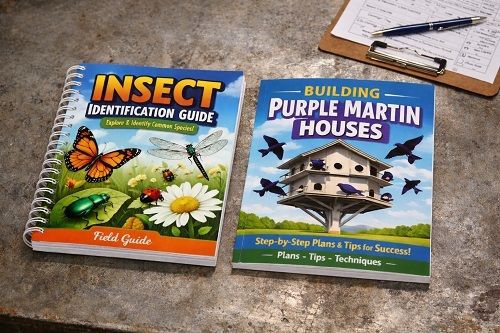
Professional "book store" look, moderate cost - Punch and Bind methods like Spiral Coil or Wire-O
Open books lie flat for hands-free use, costs slightly more than Perfect Binding - Hardcover Binding
Premium option, highest cost
If you're weighing different binding styles, it's often
helpful to price out a couple options before making a final decision.
5. Paper Type
Paper can significantly impact the appearance, feel, and
cost of your book.
Key variables:
- Thickness (text or cover weight)
- Coated vs uncoated (affects sheen and durability)
- Color (white is the most popular, off-white and cream are also available)
For example:
- Heavier, coated pages (great for image-heavy books) usually costs more
- Standard uncoated pages (great for text-heavy books) are more
economical
6. Color Printing vs Black Ink
Color printing adds significant cost, especially when used
throughout the interior pages.
- Black ink on white pages is the most cost-effective option
- Full color interior pages have a higher cost but offer high visual impact
- Full Color is almost always used on the cover to enhance the book's appearance
For novels, text books, and instruction manuals, black &
white/grayscale pages are most common.
For comics, children's books, art books and product catalogs, color printing is
often essential.
7. Cover Finishes and Enhancements
Finishing options can greatly elevate your book, but also
increase cost.
Upgrades for the cover include:
- Clear top coats like UV coating (spot or flood) and aqueous coating
- Gloss, matte, or soft touch lamination
- Embossing, foil stamping, or die-cutting
Options like these aren't required, but they are often used
to give books a more polished appearance.
Many customers choose to get a quote for a standard book cover
and have an upgrade quoted as an option to see how it affects the overall
price.
So, what does it Cost to Print a Book?
Because every book is different, the printing costs will
depend on each project's unique specifications:
- Quantity
- Size
- Page Count
- Binding Style
- Paper Type
- Ink Color
- Finishing Options
Having said that, the only way to truly know what your book
will cost is to get a quote tailored to your specific project.
Color Vision is Always Ready to Help
Whether you're looking to print books right away or are gathering
information for a project down the road, use our simple Quote Request form to
tell us about your book and we will be happy to email a custom quote to you.
Or, if you prefer to discuss your project by phone, give us
a call at 800-543-6299.
Since 1984, Color Vision has specialized in high-quality,
affordable book printing. We produce all types of books - manuals, catalogs,
directories, comic books, novels, autobiographies, handbooks, field guides, and
more.
Also, because we have both digital and offset printing capabilities,
we can produce books in short, medium, or long runs to meet the needs of just
about any project.
As always, we look forward to working with you. Just let us know how we can be of help.

Pete is a member of the Color Vision team and has nearly 20 years experience in printing, design, and marketing. He writes about a wide range of print-related topics, including book printing and binding, full-color printing, paper types, and finishing techniques. His articles contain simple, straightforward explanations, helping people to better understand their printing options and make more informed decisions about their projects.
Related Articles
Installation Manual Printing: 7 Frequently Asked Questions
Read This Article

What Is the Best Binding Method for Training Manuals?
Read This Article
Matte vs Gloss Lamination: Which Is Best for Book Covers?
Read This Article
Avoid the Gutter Trap: 5 Perfect Bound Book Layout Mistakes
Read This Article